
How Arrest Warrants Work in Watonwan County
An arrest warrant is judicial process, not paperwork a police agency writes on its own. A Watonwan County judge signs it only after reviewing facts that establish probable cause, and an authorized officer then serves it. The charge itself is filed in the Minnesota District Court at the courthouse in St James. From there, the Sheriff's Office handles service as part of its court services work, and once a person is in custody the jail takes over booking, bond, and release logistics. Each office plays a fixed role. Knowing which one holds the answer saves a call.
Complaint, Summons, or Warrant
Minnesota Rule of Criminal Procedure 3 sets the sequence for how a charge becomes a warrant. Prosecutors file a complaint supported by facts. A judge reviews it and then decides between a summons and an arrest warrant. The rule prefers a summons unless the person's history, location, or the seriousness of the situation supports a warrant. That choice explains an outcome many readers find confusing in Watonwan County. Two people can face the same charge, and one gets a summons with a court date while the other has a warrant. The text of Rule 3 covers the complaint, the probable-cause finding, the warrant contents, and the bail direction.
Arrest Warrants: What They Contain
The warrant itself is short. In Watonwan County, most of what a reader needs sits in the complaint and the case file around it, not the order.
| Court and county | Minnesota District Court, Watonwan County |
|---|---|
| Case number | The district court file number, and the best search key |
| Defendant | Name or description of the person to be arrested |
| Offense | The charge described in the complaint |
| Bail and release terms | The amount or conditions stated on the warrant |
| Execution direction | The authority for officers to make the arrest and return the person |
One more wrinkle matters in Watonwan County. Evidence and the sworn facts behind the probable-cause finding may be filed under seal, so a public case view can look thinner than the file itself.
Probable Cause in the File
Probable cause is the threshold a judge applies before signing a Watonwan County warrant. It means the facts in the complaint and its supporting documents make it reasonable to believe a specific person committed a specific offense. It is a review of what the state filed, not a trial. Minnesota procedure also governs what happens after an arrest, including a prompt first appearance and the release decision under Rule 6. Want to gauge the strength of a charge? Read the complaint itself, not the summary line on a public list.
How Warrants Get Served in Watonwan County
The Watonwan County Sheriff's Office serves warrants, commitments, and court orders, including civil process. Officers verify the warrant through the criminal justice system, make the arrest as the order permits, and book the person at the county jail. Municipal police agencies serve process within their cities too. The jail is staffed around the clock. Its administrative window runs 7:00 a.m. to 3:00 p.m. on weekdays. Bond logistics and booking questions go to the jail at 507-375-1206, while service questions go to the Sheriff's Office at 507-375-3121.
Sealed Filings Under Rule 33
Minnesota Rule 33 lets arrest and search warrant materials be filed under seal while publication could cause a person to flee or interfere with an investigation. A sealed filing stays out of public view even when the case itself is public. That rule explains a gap Watonwan County readers notice often: the case file exists, but the warrant documents never appear online. The text of Rule 33 lays out the filing and sealing sequence, and annual search warrant file numbers are requested through the courthouse rather than an online search.
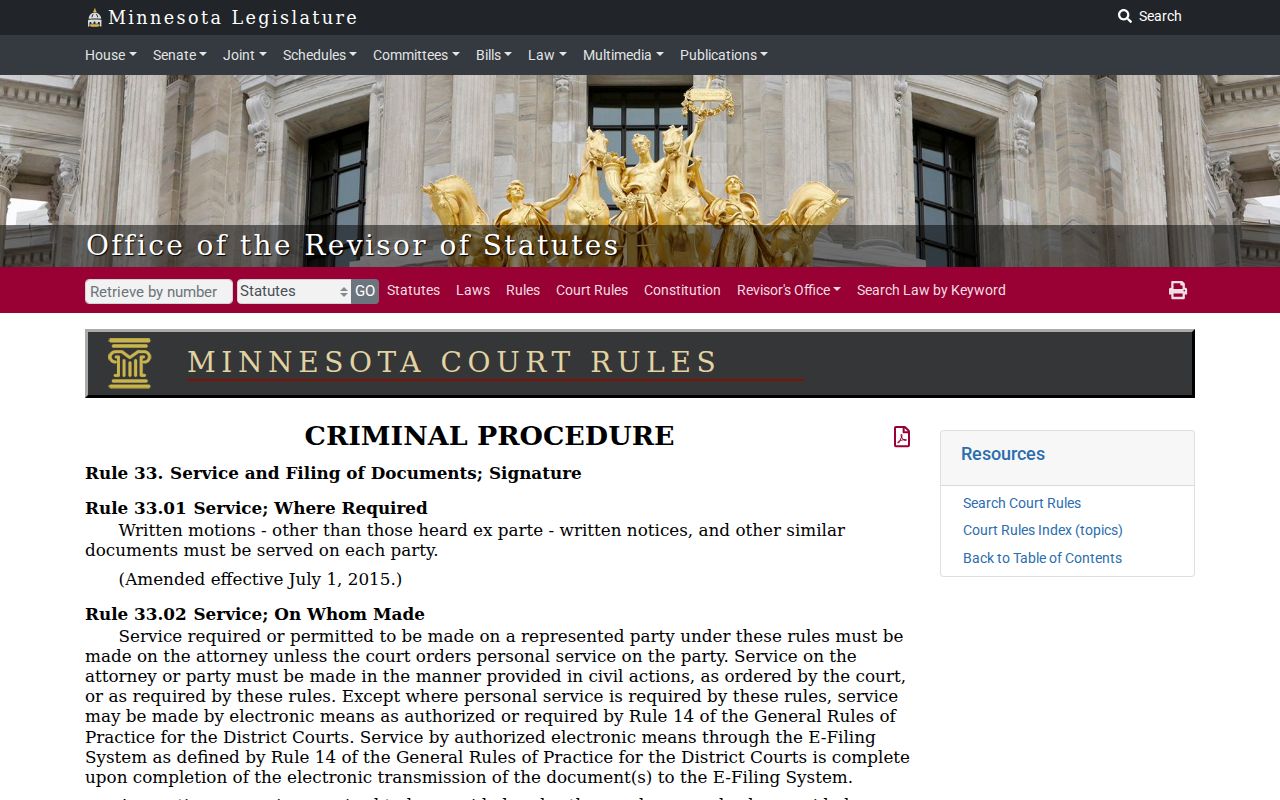
Note: In Watonwan County, a sealed record is not a missing one, and no public search can override the court's filing decision.
Arrest Warrants, Summonses, and Bench Warrants
Three kinds of process can bring a person before a Watonwan County court. The differences matter when you are deciding what to do next.
| Process | When It Is Used | What It Means for the Reader |
|---|---|---|
| Summons | Preferred at charging when a warrant is not needed | A scheduled date and no custody unless the person fails to appear |
| Arrest warrant | Probable cause plus a reason to take custody | An officer may arrest and the jail sets the booking process |
| Bench warrant | A missed date or a violation after the case is open | A new date or bond arrangement is usually the first step |
Federal Warrants Sit in Another System
A federal arrest warrant will not appear on the Watonwan County list or in the state court search. Federal charges are filed in the U.S. District Court for the District of Minnesota, which holds courthouses in Minneapolis, St. Paul, Duluth, and Fergus Falls. The federal district court page lists the clerk and the courthouse locations, and PACER holds the federal docket and documents for a fee. Federal warrants are usually executed by the U.S. Marshals Service, which covers Minnesota from its district office and the North Star Fugitive Task Force.
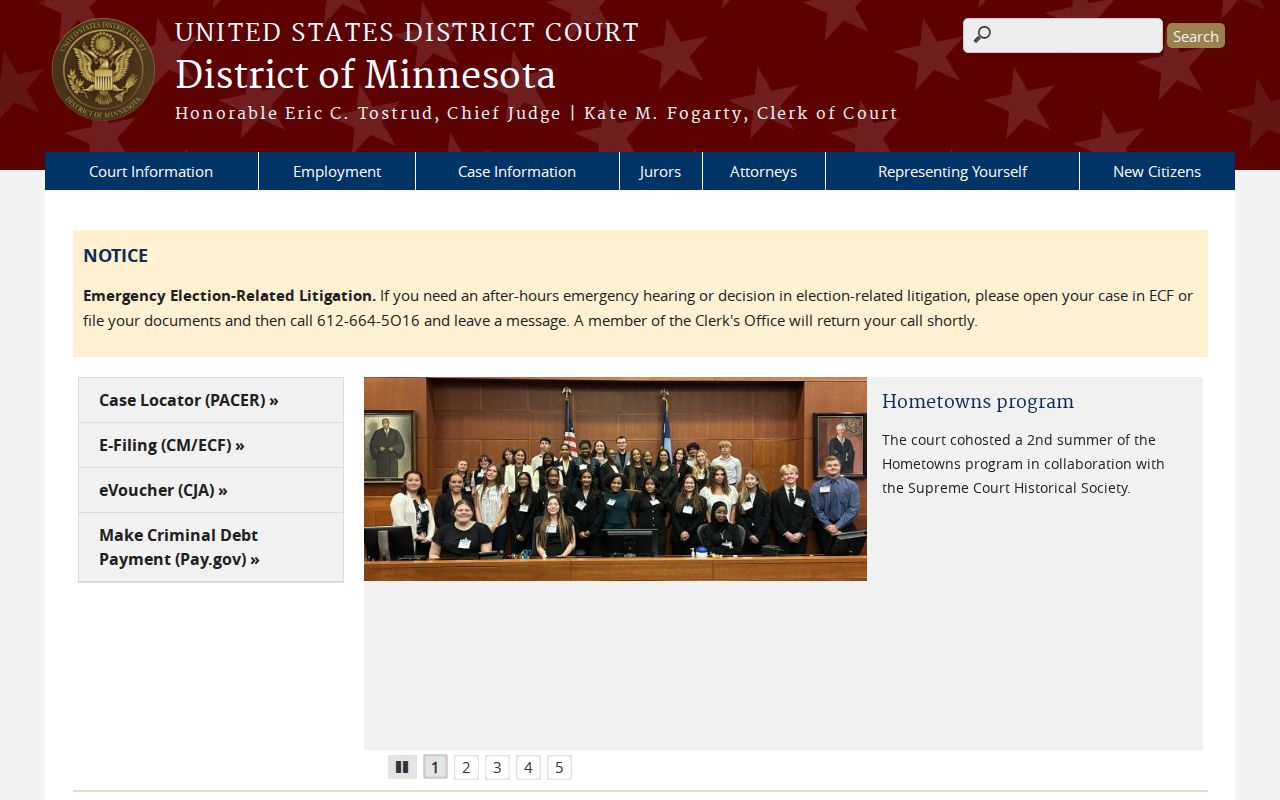
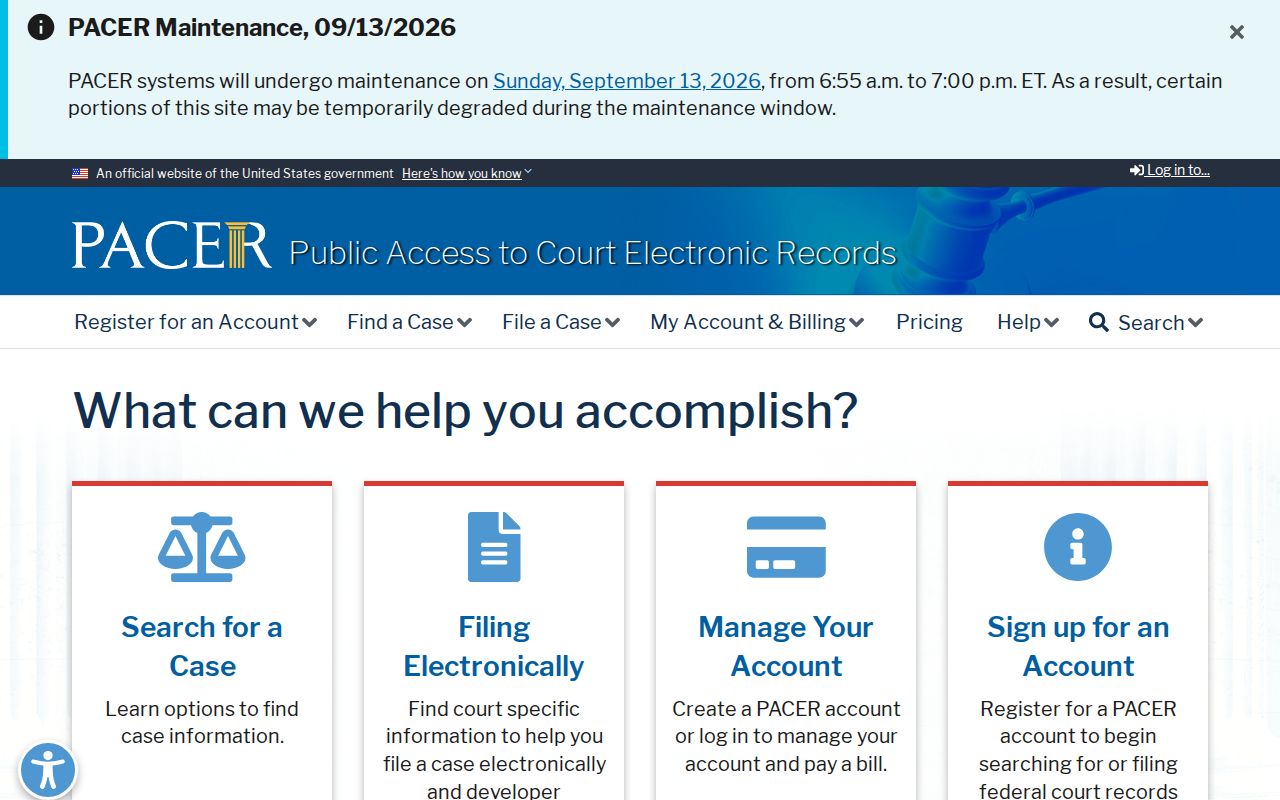
One caution for Watonwan County readers. A docket entry does not confirm that a federal warrant is public or still active, and a sealed complaint will not appear at all.
Handling an Arrest Warrant in Your Name
An arrest warrant is the most serious warrant type, because a traffic stop, a court visit, or a walk-in can end in custody. The Watonwan County FAQ describes two paths: posting bail and receiving a new date, or turning yourself in and waiting to see the judge.
Important: Talk to a criminal defense attorney before turning yourself in. A lawyer can arrange a surrender, request a recall, or prepare a bond argument.
Bring photo identification and the case number. Leave anything that could be treated as a weapon out of the Watonwan County courthouse. Call the jail before you travel to confirm the bond amount, the accepted payment form, and the hours.
Dispatch Is Not a Warrant Desk
The Watonwan County Communications Center never sleeps. Dispatchers there send the Sheriff's Department, local police, fire, and ambulance crews to calls that come in over public-safety networks around the clock. What the center does not have is a public records counter. Call 911 if you spot someone wanted or face an immediate threat, since that is a true emergency. For warrant status, though, go to the courthouse or the Sheriff's Office, because those desks handle records and can tell you where a Watonwan County warrant stands. Asking dispatch to run a warrant check sends the right question to the wrong office. Note: the Watonwan County warrant records home page gathers the resolution steps and access rules in one place.